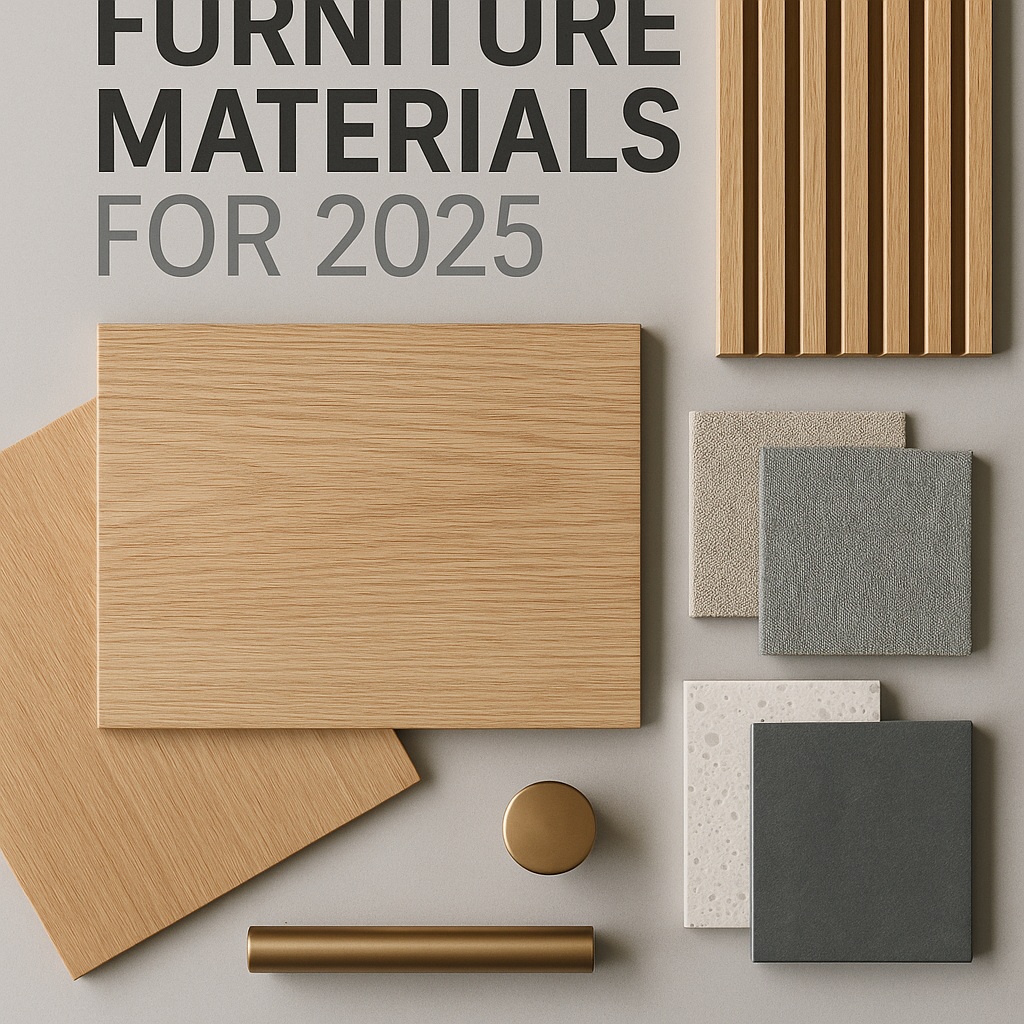
2025 is a turning point for the furniture industry, as innovative materials redefine how we design and manufacture interiors. Combining sustainability with modern aesthetics, new surfaces bring durability, hygiene, and beauty into everyday living.
1. Ultramatt Finishes
Deep matte surfaces with anti-fingerprint and soft-touch effects are replacing glossy laminates. Collections like FENIX NTM® set new standards for luxury and functionality.
👉 Related: What Colors and Decors Will Dominate in 2025?
2. Antibacterial Surfaces
Post-pandemic awareness drives demand for antimicrobial laminates that prevent bacterial growth. Brands such as Formica and Egger are introducing coatings that combine safety with elegance.
3. Fingerprint-Resistant Laminates
Worktops and vertical panels now feature resistant coatings that stay clean longer and reduce maintenance efforts. This is a must-have for modern kitchens in 2025.
4. Recycled Cores
Sustainability is not just a trend—it’s a requirement. Fundermax and Yildiz Entegre lead with recycled MDF and chipboard cores that reduce waste while maintaining strength.
👉 Related: From CAD to CNC: How Modern Kitchen Production Works
5. Hybrid Surfaces
Materials that blend stone, resin, and natural fibers are redefining aesthetics. They bring a tactile quality that elevates interiors beyond flat laminates.
6. Sustainable Coatings
Low-VOC and water-based coatings are becoming mandatory in EU regulations, offering healthier indoor environments while still ensuring durability.
7. Smart Materials
Some new laminates respond to light and temperature, creating interactive experiences for furniture design. Though still emerging, this field shows great promise for the next decade.
Conclusion
Furniture materials in 2025 balance aesthetics, sustainability, and performance. They not only look better but also last longer, contributing to a new standard of functional beauty.
👉 Related: How AR and 3D Design Are Changing Interior Planning